Cost-Effective Swimming Pool Repair for Year-Round Enjoyment
Inexpensive swimming pool upkeep is vital for preserving a operational and comfortable outdoor space. Regular maintenance and quick interventions can prevent minor issues from growing into major expenses. Pool owners often ignore common problems that can affect water quality and safety. Grasping the intricacies of self-service maintenance and finding reliable local services can significantly reduce costs. However, many still ponder about the proven strategies to assure their pools remain attractive year-round.
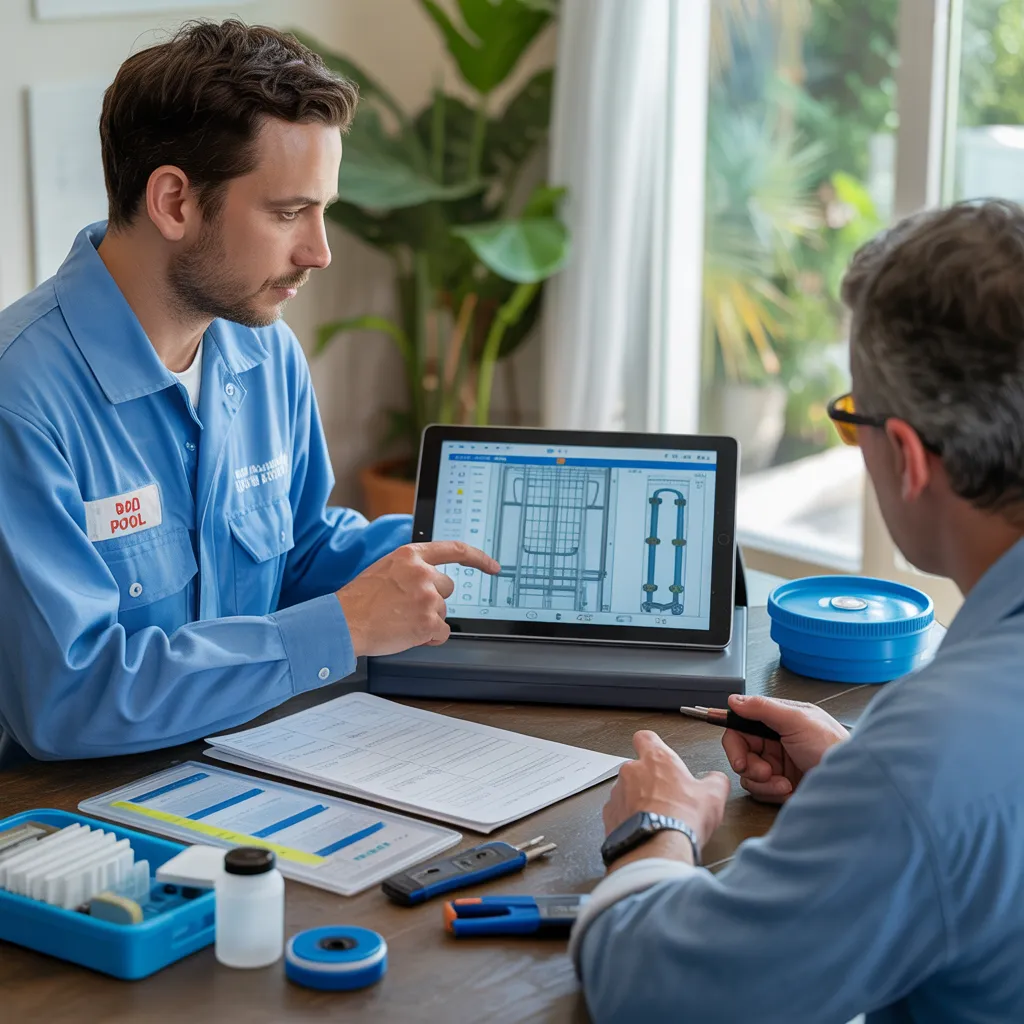
Standard Pool Difficulties
Swimming pool managers often encounter a assortment of standard concerns that demand attention. One common concern is water purity, often arising from inadequate filtration or imbalanced chemical levels. Green algae development can also create obstacles, thriving in warm climates and improperly cared for water. Additionally, water leaks are a frequent worry, likely leading in significant water loss and elevated utility costs.
Another issue is the deterioration of pool areas, such as fractures in the plaster or tiles, which can affect aesthetics and safety. Equipment malfunctions, including pump failures or heater issues, often interrupt pool enjoyment and require timely maintenance. Finally, buildup of debris from leaves, dirt, and insects can affect water quality and require frequent maintenance. Promptly tackling these typical issues guarantees not only a safe swimming environment but also extends the life of the pool and its components, allowing for continued enjoyment throughout the swimming season.
DIY Fix Techniques
Undertaking pool repairs can be a gratifying endeavor for homeowners wanting to save money and strengthen their repair abilities. Frequent issues, including leaking pool liners or tile cracks, can be successfully handled with do-it-yourself approaches. For example, patching a vinyl liner can be done using a basic repair kit, guaranteeing a watertight seal. Homeowners can also tackle small cracks in plaster or concrete pools with epoxy-based fillers, delivering a durable solution.
Pool filter upkeep and cleaning is another key DIY job that enhances water circulation and clarity. Additionally, the replacement of worn or broken pool equipment such as pump parts or skimmers often calls for only basic tools and advice from online tutorials. Gaining these skills helps homeowners reduce repair costs while also gaining a deeper knowledge of their pool’s mechanics, helping create a more enjoyable swimming experience year-round.
Affordable Seasonal Pool Maintenance Tips
Cost-effective seasonal pool maintenance is vital for extending a pool's lifespan and maintaining water quality. Regular water monitoring, efficient filter upkeep, and using timely covers can significantly reduce repair costs over time. Using these approaches helps maintain a clean and healthy swimming environment while keeping costs down.
Frequent Water evaluation
Sound water chemistry is indispensable for keeping a healthy swimming pool operating smoothly. Regular pool analysis enables pool owners to assess pH levels, alkalinity, and chlorine concentration, verifying that the water stays safe and enjoyable. By testing water at least once a week, owners can reveal inconsistencies early on, stopping pricey repairs and water quality issues. Test kits are easily obtainable and supply quick results, making it convenient to regulate chemical levels as needed. Additionally, measuring mineral content inhibits scaling and corrosion, lengthening the lifespan of pool equipment. Establishing a consistent testing program not only betters the swimming experience but also develops a safe environment for family and friends, proving it a significant aspect of pool maintenance.
Efficient Filter Cleaning
Keeping a clean filter is essential for peak pool performance and longevity. Regular maintenance avoids dirt buildup, which can result in decreased water circulation and higher energy costs. Pool owners should think about servicing the filter every 4 to 6 weeks, depending on usage and environmental factors. A quick rinse with a hose can efficiently remove surface dirt, while a more thorough clean may demand soaking in a dedicated solution for a few hours. Additionally, checking and swapping out filter cartridges as needed will ensure maximum filtration. Keeping the filter dirt-free not only enhances water clarity but also extends the lifespan of the pool equipment, ultimately resulting in lower maintenance costs and a more enjoyable swimming experience year-round.
Seasonal Covering Utilization
Using a premium seasonal cover can greatly enhance pool upkeep while minimizing costs. These covers act as a barrier against debris, reducing the need for regular upkeep and chemical treatments. By blocking debris, leaves, and pests from getting into the pool, owners can save on filter upkeep and water consumption. Additionally, a well-fitted cover helps retain heat, reducing heating expenses during colder months. Seasonal covers also shield the pool structure from severe weather conditions, potentially extending its lifespan. To get the most value, it is important to select a durable, UV-protected material that fits the pool tightly. Consistently checking and caring for the cover guarantees its effectiveness, enabling cost-effective and effective year-round pool use while reducing repair costs over time.
Reasonably priced Pool Repair Services
When homeowners encounter splits or breaches in their swimming pools, they often pursue cost-effective pool repair services to restore their oasis without draining their wallet. These services handle a range of issues, from simple fixes to more serious foundational damage. Many companies offer competitive pricing, ensuring that pool care remains accessible throughout the year.
Homeowners should locate local vendors with positive ratings and clear fee structures. Some firms may give free quotes, helping property owners to allocate funds before proceeding with work. In addition, limited-time offers can cut down costs, enabling the ability to resolve critical repairs.
Critical Resources for DIY Pool Upkeep
When undertaking DIY pool repairs, having the right tools is vital for safety and efficiency. Basic repair tools, such as wrenches and sealants, establish the basis of any repair kit, while safety equipment ensures protection during the process. Understanding these essential items can enable homeowners to tackle repairs with confidence.
Common Repair Tools Necessary
A properly stocked toolbox is crucial for anyone tackling do-it-yourself swimming pool maintenance. Key tools include a rubber mallet, which helps adjust fittings without damaging fixtures, and a wrench collection for tightening and loosening various components. A screwdriver set is also vital, as it allows the repair of pool panels and gear. For sealing leaks, a caulk gun and water-resistant sealant are necessary. A pool brush helps with cleaning surfaces prior to repair work, while a underwater pump can assist in removing extra water. Additionally, a utility knife is handy for cutting materials like liners for pools. By keeping these essential tools available, pool owners can effectively handle typical maintenance problems and keep their pools in good condition year-round.
Basic Safeguard Apparatus
Safety equipment is necessary for anyone undertaking DIY pool repairs, providing both security and compliance with safety standards. Proper equipment entails safety goggles to defend the eyes from debris and chemicals, gloves to protect hands from sharp objects and hazards, and strong footwear to prevent slips and injuries. A hard hat is advisable when working under overhead hazards. Also, a first-aid kit should be within reach in case of minor injuries. For individuals working with electrical parts, insulated tools and a voltage tester are get details essential to avoid electric shock. By arming themselves with these essentials, DIY enthusiasts can increase their safety while efficiently handling pool repair tasks. Emphasizing safety ultimately results in a more rewarding repair experience.
Minimizing Significant Pool Work
Maintenance acts as the foundation for avoiding major pool restoration. By following a consistent upkeep schedule, pool owners can detect and resolve potential issues before they escalate. Routine tasks such as removing leaves, cleaning filters, and balancing water chemistry are vital. Neglecting these basic tasks may lead to more severe problems, including algae buildup or equipment failure.
Furthermore, reviewing pool systems—such as pumps, heaters, and liners—on a routine basis can catch wear and tear early. Addressing minor leaks or cracks promptly can prevent costly repairs down the line. Ensuring proper water levels and circulation helps sustain the structural integrity of the pool.
Moreover, spending effort to seasonal preparations, such as winterizing, can prevent the pool from experiencing seasonal wear and tear. Ultimately, meticulous maintenance not only prolongs the pool's working life but also shields the owner's capital, guaranteeing sustained enjoyment for years to come.
Often Submitted Questions
What Is the Easiest Way to Discover a Credible Pool Service Provider Close By?
To find a reliable pool repair service near you, one can examine online reviews, solicit recommendations from friends, and access local business directories. Reviewing estimates and validating credentials also assures quality and trustworthiness in service.
What Are the Warning Signs My Pool Demands Immediate Repairs?
Indicators that a swimming pool needs urgent repair consist of visible cracks, water seepage, water discoloration, unusual noises from equipment, and persistent algae growth. Tackling these problems promptly can avoid additional deterioration and ensure secure bathing environments.
Can you obtain warranties when using pool repair services?
Yes, many pool maintenance providers offer coverage for parts and labor. These warranties can vary in timeframe and terms, so it's important for homeowners to ask about specifics before committing to any repair service.
How Frequently Should I Inspect My Pool for Problems?
Pool inspections should occur at least once a month on a consistent basis. However, seasonal variations or intense usage may necessitate more regular inspections to recognize potential problems early and guarantee ideal upkeep and well-being.
What Does a Pool Repair Expense on Average?
Pool repair costs generally span from $150 to $1,500 on average basis, varying based on the severity and kind of the problem. The overall expenses can be notably impacted by considerations like region and contractor expertise.